
Fake: Ukrainians use Nazi symbols during military funerals
Russian media are spreading false claims that “Nazi crosses” are being installed at the National Military Memorial Cemetery in Ukraine, allegedly similar to those used at German military graves during World War II. This claim is not true.
This was reported by VoxCheck.
The design of the National Military Memorial Cemetery includes the installation of the Cossack cross – a traditional Ukrainian symbol that has no connection whatsoever to Nazi burials. Cemeteries of the Third Reich used a completely different symbol – the Iron Cross.
The National Military Memorial Cemetery was established in 2022 and officially opened in August 2025. According to the government-approved project, two types of gravestones are developed: the Cossack cross and a memorial plaque. These forms were officially approved by the Cabinet of Ministers of Ukraine.
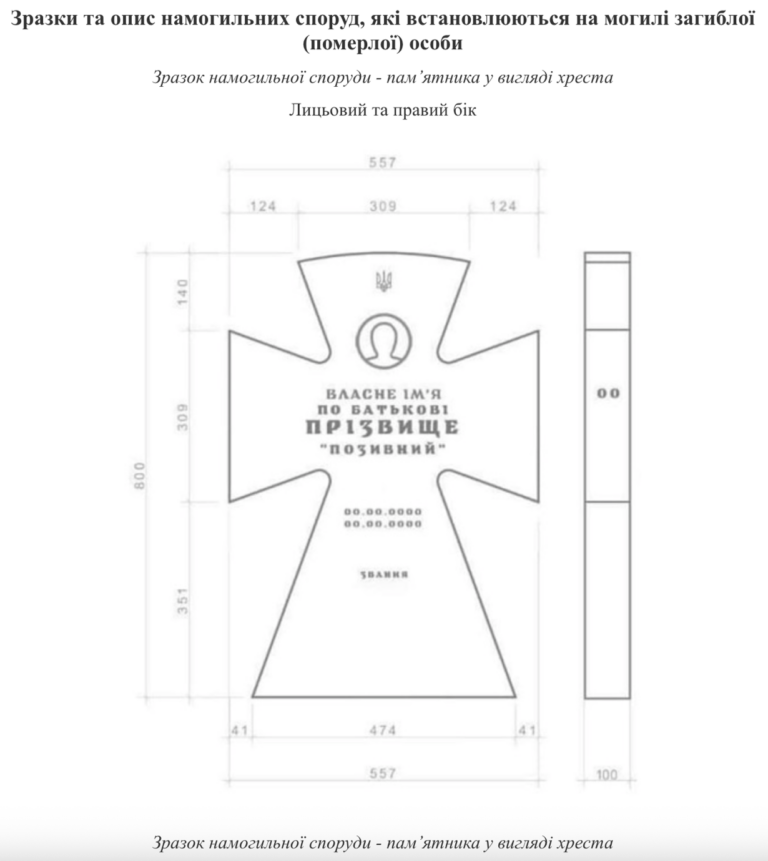
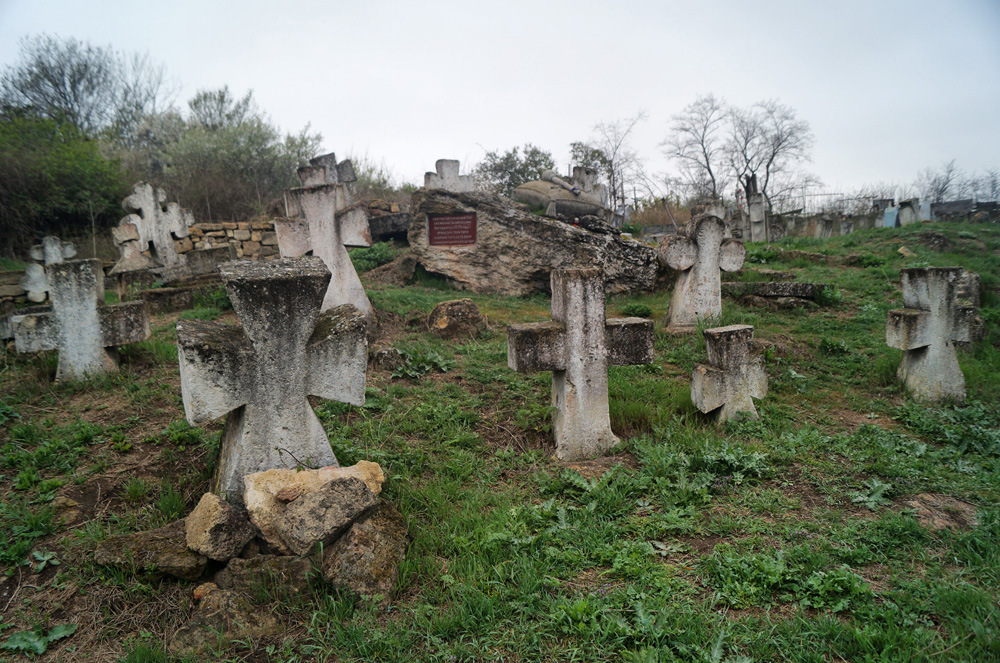
The Cossack cross is an element of Ukraine’s military and spiritual tradition. It has been used in the burial of warriors since Cossack times and symbolizes honor, remembrance, and faith. This cross is part of the symbolism of the Armed Forces of Ukraine, the State Border Guard Service, the Security Service of Ukraine, as well as certain state awards and departmental insignia.
By contrast, the Iron Cross (Eisernes Kreuz), which was indeed used in German military burials, has a completely different origin. It was established in 1813 in Prussia as a military decoration. In 1939, Nazi Germany reinstated the award and added the swastika to it – an element that became a symbol of totalitarian ideology.
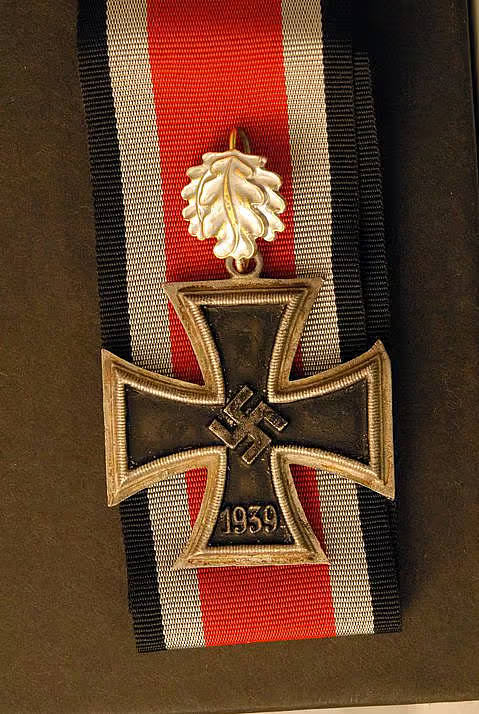
The Cossack cross and the Iron Cross differ in both form and symbolism. The Cossack cross has straight edges and a simple geometric design, while the Iron Cross is characterized by curved edges, a dark core, and a silver frame. The former is a religious and cultural symbol, while the latter is a military decoration that was later used by the Nazis in their propaganda.
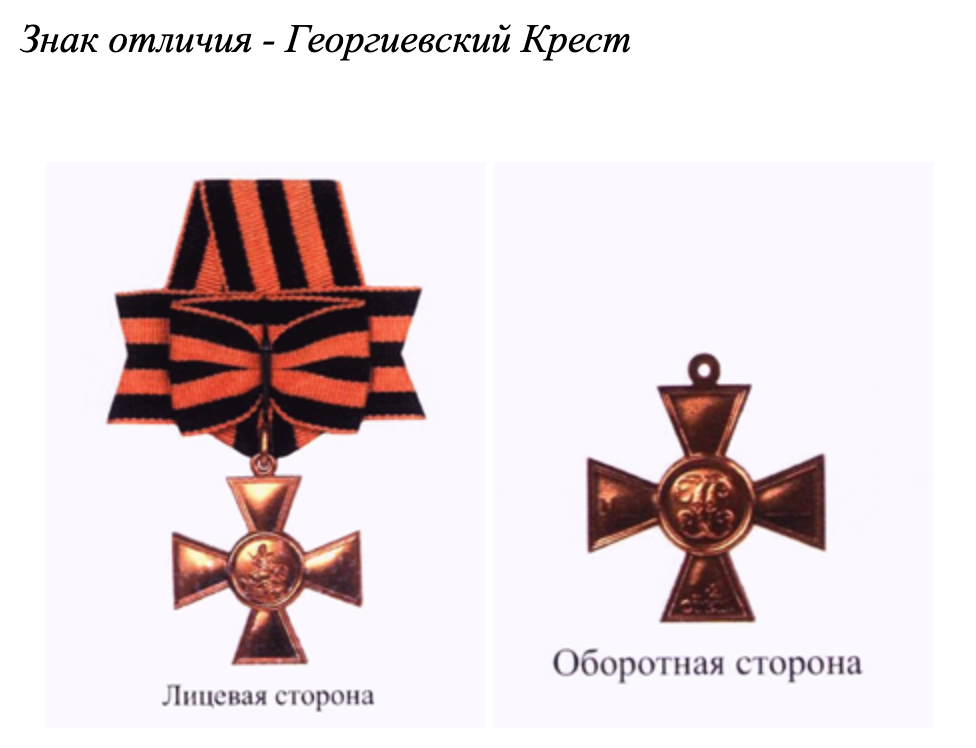
The Cossack cross has existed for centuries, long before the emergence of Nazism, and contains no ideological elements associated with the Third Reich. Moreover, modern Russia also has awards in the shape of a cross – for example, the St. George Cross, whose form may visually resemble the German order. This further demonstrates the groundlessness of accusations of “Nazism” based solely on the external similarity of symbols.