Spilnota Detector Media
Detector Media collects and documents real-time chronicles of the Kremlin propaganda about the Russian invasion. Ukraine for decades has been suffering from Kremlin propaganda. Here we document all narratives, messages, and tactics, which Russia is using from February 17th, 2022. Reminder: the increasing of shelling and fighting by militants happened on the 17th of February 2022 on the territory of Ukraine. Russian propaganda blames Ukraine for these actions

On 19 February, on the 1456th day of the full-scale war, our editorial office recorded:

2732
Fake
816
Manipulation
775
Message
559
Disclosure
Русскій фейк, іді на***!

Russians have fabricated a fake about the mass dismissal of Ukrainian railway workers

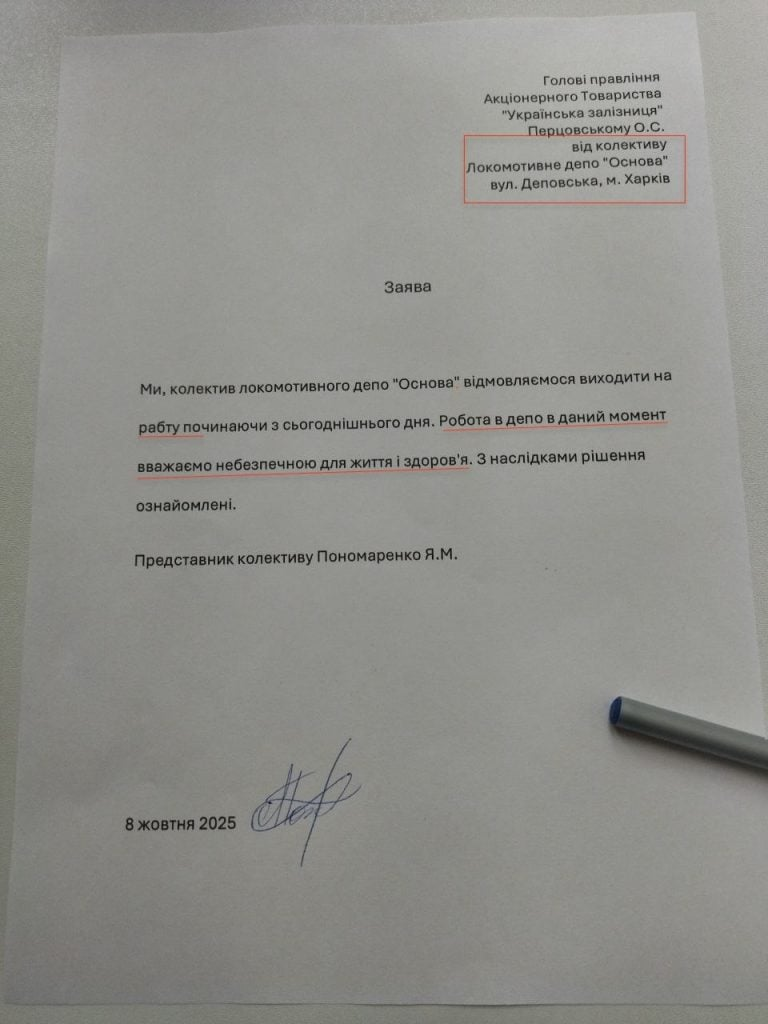
Messages are actively circulating on social media claiming that employees of Ukrzaliznytsia are allegedly being dismissed en masse because of Russian shelling of railway infrastructure. Anonymous Telegram channels are posting photos of supposed resignation letters from individual workers and entire teams, including in Kharkiv. These “documents” claim that railway workers are refusing to work due to threats to their lives.

This was reported by StopFake.

According to the analytical service Osavul, the information was first published on October 14 by the pro-Russian Telegram channel “KRYMINFOURUM ZOV”, a resource that has repeatedly spread disinformation about events in Ukraine. At the same time, Ukrainian media and Ukrainian-language sources have not reported any such cases.

The photos of the alleged “resignation letters” cited by the authors of the fake contain numerous signs of forgery. In particular, the “statement” purportedly written on behalf of employees of the Osnova locomotive depot contains many grammatical and legal errors. The document incorrectly states the official name and address of the enterprise.

According to YouControl, the entity called “Osnova Locomotive Depot of the Southern Railway” has ceased to exist altogether. In official Ukrzaliznytsia documents, the unit is listed as the “Separate Division ‘Osnova Locomotive Depot’ of the State Enterprise ‘Southern Railway’”, located in Kharkiv at 1 Pryvokzalna Street. In addition, the “documents” contain spelling mistakes, missing punctuation, and incorrect grammatical cases – all of which indicate that they are not authentic.
Ukrainian legislation does not provide for collective resignation statements. Even if several employees decide to leave their jobs at the same time, each individual must submit a separate resignation letter indicating the date, signature, and reason for dismissal. A collective letter may exist only as a symbolic appeal, but it has no legal force.

Journalists sent an inquiry to Ukrzaliznytsia JSC regarding information about mass layoffs. At the time of publication, no response from the company had been received. At the same time, the enterprise has not reported any such cases in open sources.

Since the beginning of autumn 2025, Russian forces have indeed been systematically attacking Ukraine’s railway infrastructure in an attempt to disrupt logistics and the transportation of military cargo. Despite this, Ukrzaliznytsia has been promptly responding to the consequences of these attacks, deploying reserve diesel locomotives and repair crews to ensure the stable operation of passenger and freight services.
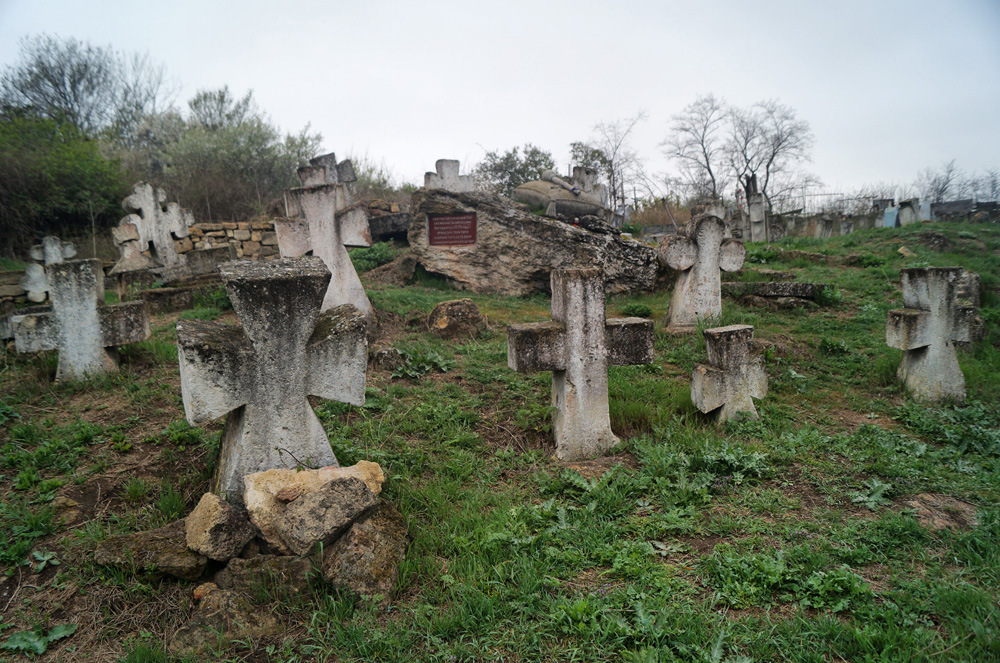
Fake: Ukrainians use Nazi symbols during military funerals

Russian media are spreading false claims that “Nazi crosses” are being installed at the National Military Memorial Cemetery in Ukraine, allegedly similar to those used at German military graves during World War II. This claim is not true.

This was reported by VoxCheck.

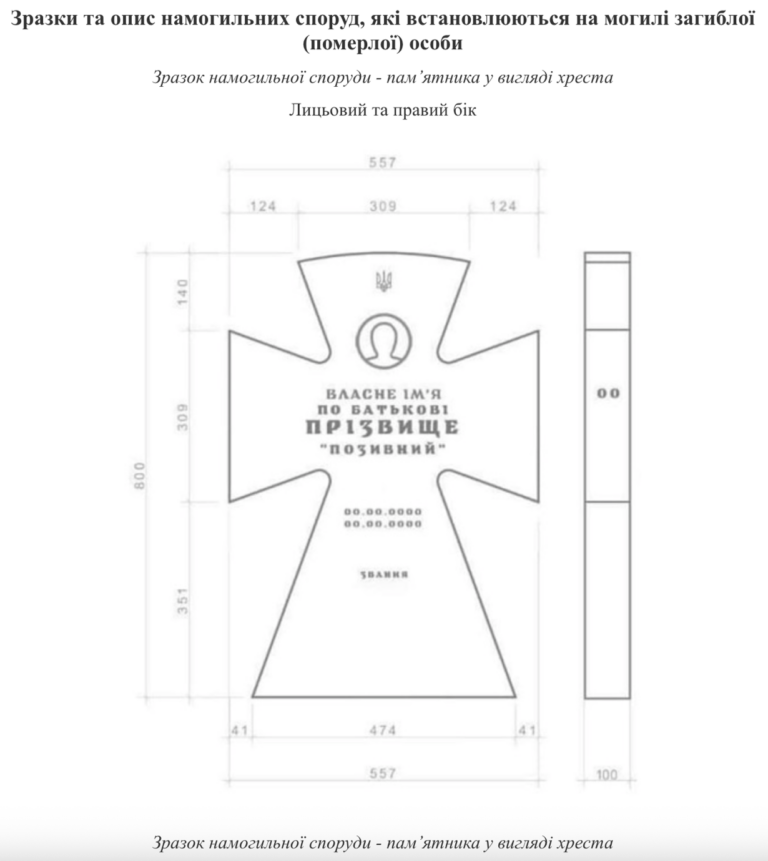
The design of the National Military Memorial Cemetery includes the installation of the Cossack cross – a traditional Ukrainian symbol that has no connection whatsoever to Nazi burials. Cemeteries of the Third Reich used a completely different symbol – the Iron Cross.

The National Military Memorial Cemetery was established in 2022 and officially opened in August 2025. According to the government-approved project, two types of gravestones are developed: the Cossack cross and a memorial plaque. These forms were officially approved by the Cabinet of Ministers of Ukraine.

The Cossack cross is an element of Ukraine’s military and spiritual tradition. It has been used in the burial of warriors since Cossack times and symbolizes honor, remembrance, and faith. This cross is part of the symbolism of the Armed Forces of Ukraine, the State Border Guard Service, the Security Service of Ukraine, as well as certain state awards and departmental insignia.

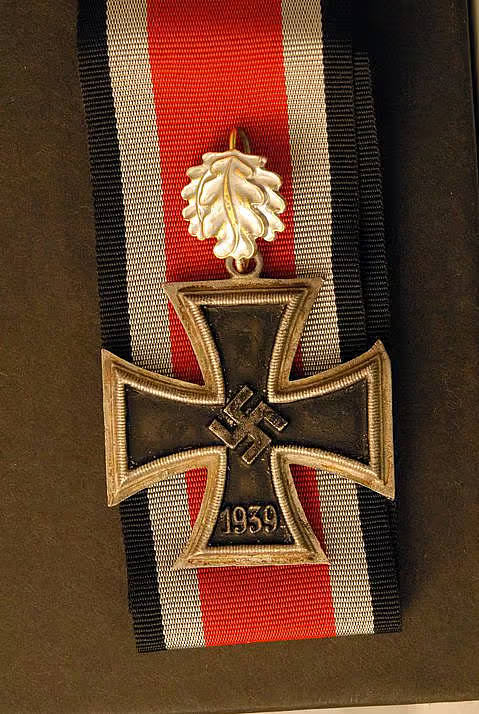
By contrast, the Iron Cross (Eisernes Kreuz), which was indeed used in German military burials, has a completely different origin. It was established in 1813 in Prussia as a military decoration. In 1939, Nazi Germany reinstated the award and added the swastika to it – an element that became a symbol of totalitarian ideology.

The Cossack cross and the Iron Cross differ in both form and symbolism. The Cossack cross has straight edges and a simple geometric design, while the Iron Cross is characterized by curved edges, a dark core, and a silver frame. The former is a religious and cultural symbol, while the latter is a military decoration that was later used by the Nazis in their propaganda.

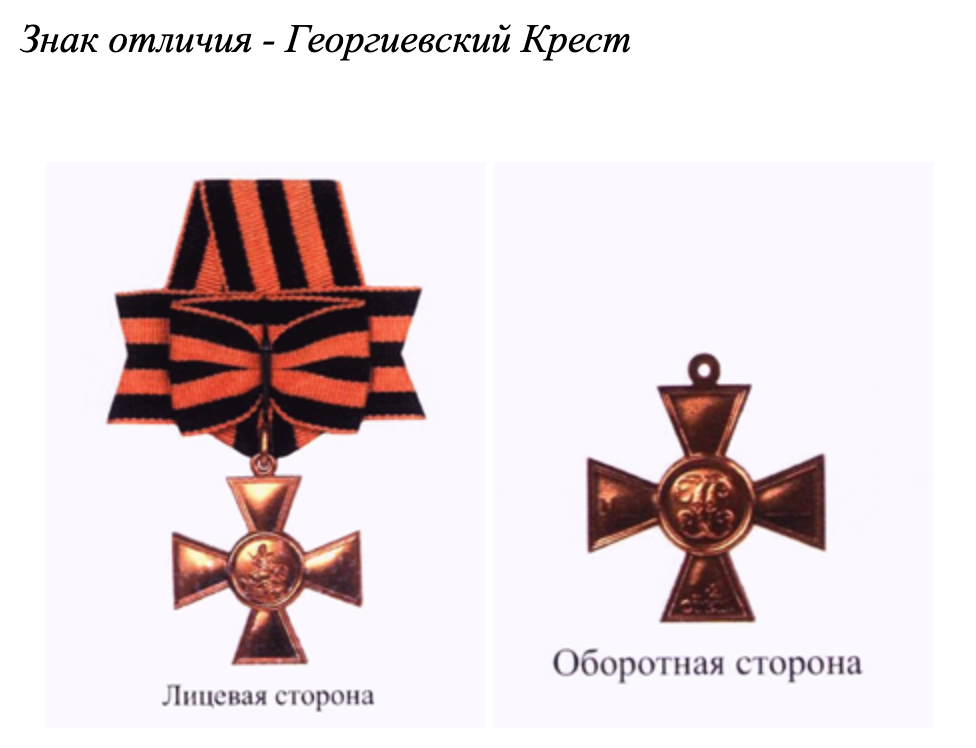
The Cossack cross has existed for centuries, long before the emergence of Nazism, and contains no ideological elements associated with the Third Reich. Moreover, modern Russia also has awards in the shape of a cross – for example, the St. George Cross, whose form may visually resemble the German order. This further demonstrates the groundlessness of accusations of “Nazism” based solely on the external similarity of symbols.

Andrii Pylypenko, Lesia Bidochko, Oleksandr Siedin, Kostiantyn Zadyraka, and Oleksiy Pivtorak are collaborating on this chronicle. Ksenia Ilyuk is the author of the project.