
Russia spreads fake claim about Ukrainian soldiers being “rewarded” with online casino bonuses
In the pro-Russian segment of the internet, messages are being circulated claiming that Ukrainian servicemen were allegedly rewarded with bonuses from an online casino. The posts are accompanied by an image showing two men in camouflage holding certificates for so-called “free spins”. However, the authors provide no details about the military units or positions of the allegedly “awarded” soldiers, nor do they specify who supposedly presented these “rewards”. The claim is fabricated.
This was reported by StopFake.
Since April 2024, Ukraine has prohibited military personnel from accessing online casinos during martial law. The government has also introduced a number of restrictions related to gambling within the armed forces, including a ban on advertising that uses the symbols of the Armed Forces of Ukraine and a prohibition on pawnshops accepting dual-use items such as drones or thermal imaging devices. Therefore, the likelihood that military commanders would officially award online casino bonuses to servicemen is virtually zero.
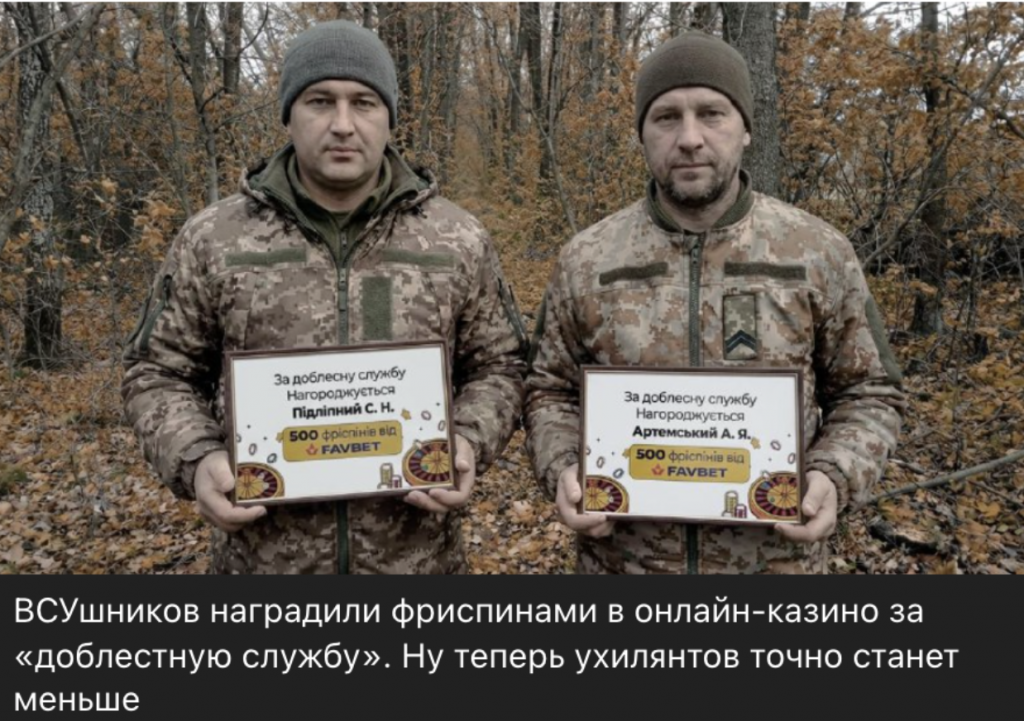
The photograph circulated alongside the fake story is itself highly questionable. The image displays typical signs of AI generation: the forest background appears unrealistic, with some branches and tree trunks seemingly “floating” in mid-air. The certificates held by the two men also look artificial – the lettering is overly uniform and flat, lacking the perspective distortions, shadows, and reflections normally found on real printed materials.
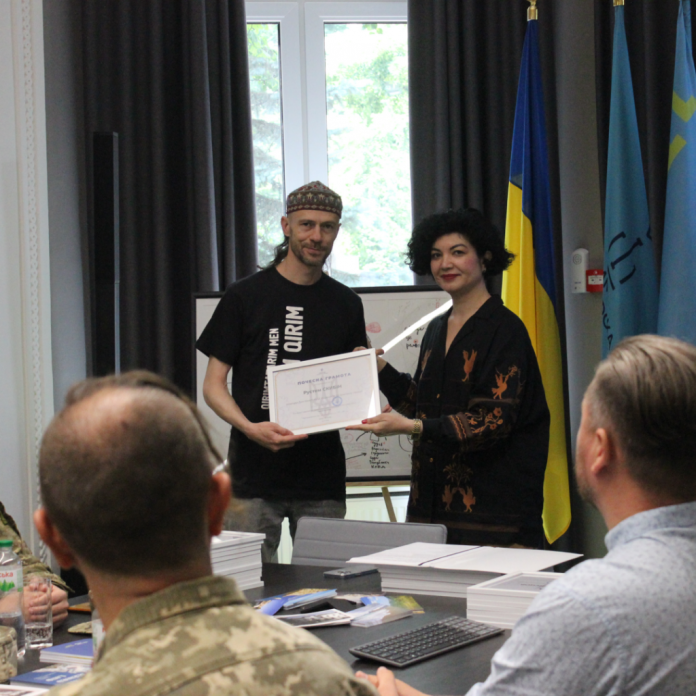
For comparison, authentic photographs from official events where certificates are presented to military personnel or artists always show natural distortions in the text, variations in the surface texture of the document, and realistic optical effects.
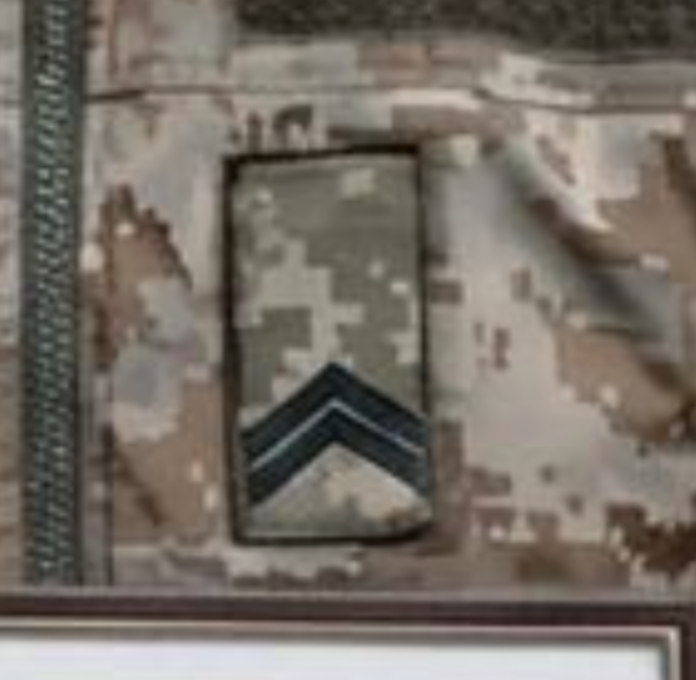
Other inconsistencies are also visible in the image. For example, part of the jacket worn by one of the men abruptly changes camouflage pattern and colour – a typical defect commonly produced by generative AI models.
The artificial nature of the image was noticed even by some users of pro-Russian channels. At the same time, AI-detection tools such as Decopy AI, WasItAI, and Reversely failed to identify the image as fake. As explained by Vadym Miskyi, detection technologies often lag behind the rapid development of generative models, especially when an image has been compressed, edited, or combines real elements with AI-generated additions.