Spilnota Detector Media
Detector Media collects and documents real-time chronicles of the Kremlin propaganda about the Russian invasion. Ukraine for decades has been suffering from Kremlin propaganda. Here we document all narratives, messages, and tactics, which Russia is using from February 17th, 2022. Reminder: the increasing of shelling and fighting by militants happened on the 17th of February 2022 on the territory of Ukraine. Russian propaganda blames Ukraine for these actions

On 21 February, on the 1458th day of the full-scale war, our editorial office recorded:

2732
Fake
816
Manipulation
775
Message
559
Disclosure
Русскій фейк, іді на***!

Another Russian fake about the Ukrainian “Flamingo” missile has been debunked

A video is being actively circulated on social media that allegedly “exposes” the Ministry of Defense of Ukraine for using computer graphics, footage from old World War II films, and recordings of U.S. Tomahawk launches instead of real footage of the Ukrainian FP-5 “Flamingo” cruise missile.

Analysts from the VoxCheck project drew attention to this.

In reality, this is deliberate disinformation. Neither the Ministry of Defense of Ukraine nor the missile’s developer, Fire Point, has ever published any such video presentation.
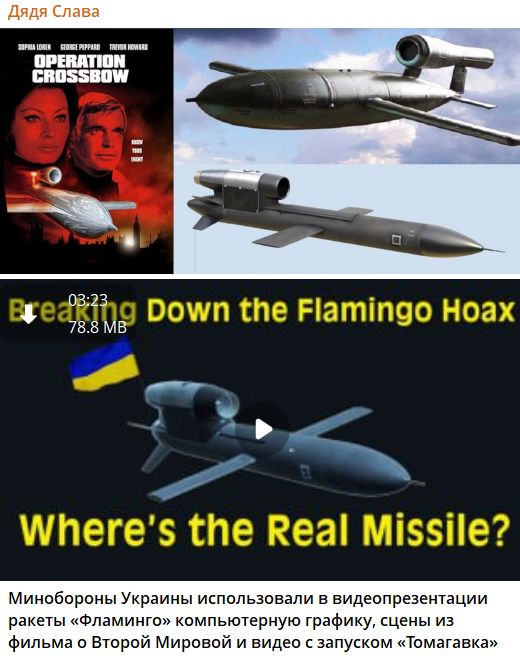
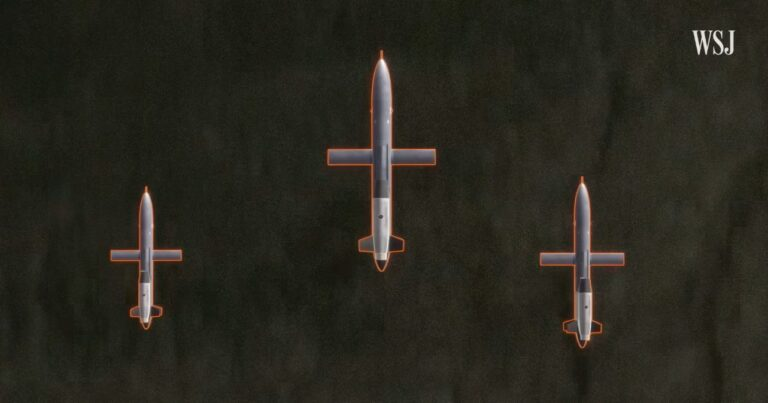
The fake was created by propagandists themselves: they took a real video by The Wall Street Journal about the characteristics of the “Flamingo”, changed the color scheme from orange to blue, added footage from other sources, and generated the narrator’s voice using artificial intelligence.

Fact check:

  • There is no such video on the official resources of the Ministry of Defense of Ukraine (website, Facebook).
  • Fire Point does not have a website or social media pages, so publishing a video on its behalf is impossible.
  • A reverse image search of the frames via Google Lens immediately points to the original material by The Wall Street Journal.
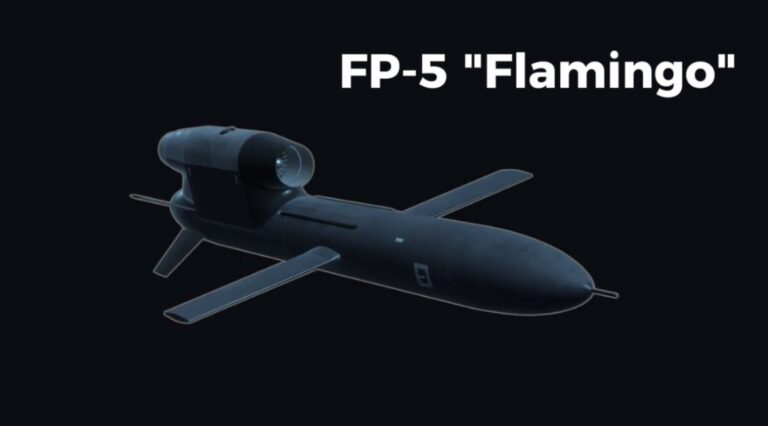
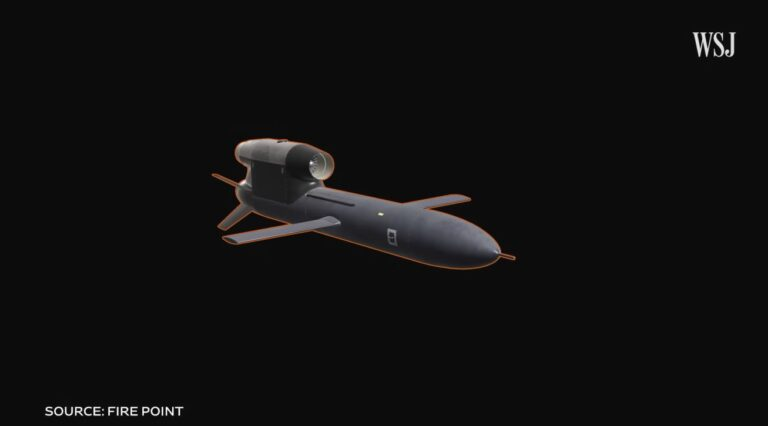
Frame comparison:
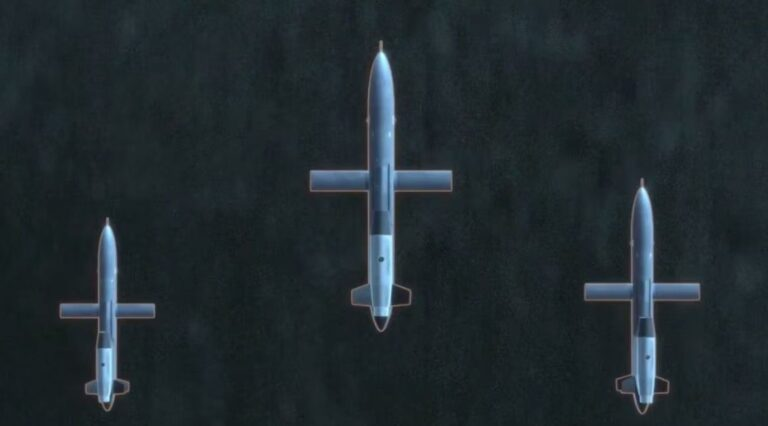
  • Top row – the fake “exposé”.
  • Bottom row – the original WSJ video.

According to the authors of the VoxCheck report, the audio in the fake video shows clear signs of AI generation: a monotonous, robotic voice, numerous grammatical mistakes, and phrases atypical for a native Ukrainian speaker (“velyko dalnosti” instead of “velykoi dalnosti”, “novoho pokolynna” instead of “novoho pokolinnia”, etc.). Analysis using the Hive Moderation service confirmed a high probability that the voice was synthesized.

Thus, instead of “exposing a fake”, the propagandists themselves created a fake in order to discredit Ukrainian weapons developments.

For three years now, Russian propaganda has been repeating the message: “Ukraine is poor, incapable, everything has been stolen”. When evidence to the contrary appears – new missiles, drones, electronic warfare systems – It destroys this narrative. That is why they have to shout “fake!” and produce so-called “exposés”, so their own audience does not start asking uncomfortable questions. While Ukrainian missiles (“Neptune”, RK-360MC, and now “Flamingo”) are in fact sinking Russian ships and striking Crimea and oil refineries, it is psychologically easier for Russians to convince themselves and their audience that “none of this really exists”, that it is all just “cartoons”.

Russia accuses Ukraine of “chemical attacks on Russian civilians” – the fake has been debunked

Russian propaganda continues a campaign of unfounded accusations against Ukraine over the alleged use of chemical weapons. Analysts from the Center for Countering Disinformation have drawn attention to this.

This time, Kyrylo Lysogorskyi, a representative of the Russian delegation to the Organisation for the Prohibition of Chemical Weapons (OPCW), claimed that the Armed Forces of Ukraine allegedly drop toxic substances from drones and “attack the civilian population of Russia”.

This is yet another fake with no evidence whatsoever. The OPCW and other international bodies have never recorded any cases of Ukraine using chemical weapons. Russia has been repeating these accusations for years, but each time it fails to provide samples, independent examinations, or even coordinates of the allegedly “affected” settlements.

On the contrary, it is Russian forces that systematically violate the Chemical Weapons Convention. Since the start of the full-scale invasion, hundreds of cases have been documented in which drones dropped grenades containing chloropicrin, tear gas, and other choking agents on positions of the Armed Forces of Ukraine. These facts have been confirmed by the OPCW, are being investigated as war crimes, and have become grounds for new sanctions against Russia.

When Russians drop chloropicrin, CS gas, K-51 grenades, and similar munitions on Ukrainian positions, they need a justification: “We weren’t the first – Ukraine started it”. This reduces the likelihood of a tough international response and new sanctions. The domestic audience hears: “Ukrainian Nazis are poisoning peaceful Russians with chemicals!” This fuels hatred and a willingness to fight “until everyone is destroyed”.

Andrii Pylypenko, Lesia Bidochko, Oleksandr Siedin, Kostiantyn Zadyraka, and Oleksiy Pivtorak are collaborating on this chronicle. Ksenia Ilyuk is the author of the project.