Attack Without Evidence: What Is Wrong with Claims About Ukrainian Drones Near Putin’s Residence
Russia’s Ministry of Defense attempted to explain discrepancies in official statements regarding a nighttime drone attack on 29 December, which had earlier been reported by Russian Foreign Minister Sergey Lavrov. According to Lavrov, Ukraine had allegedly attempted to strike Putin’s residence in the Novgorod region using 91 drones.
Lavrov claimed that all of the drones had been shot down by air defense systems. However, the Russian Ministry of Defense’s initial statement mentioned only 41 drones allegedly destroyed over the Novgorod region.
The ministry later released an updated version, asserting that another 50 drones had supposedly been heading toward Putin’s residence but were intercepted outside the region: 49 over the Belgorod region and one over the Smolensk region.
Russian outlet SOTA cast doubt on the official narrative after interviewing local residents. People living in Valdai, where Putin’s “Uzhin” residence is located, reported that they had not heard any air defense activity that would correspond to the interception of dozens of drones. The publication also noted that the facility is situated approximately 630 kilometers from the Ukrainian border.
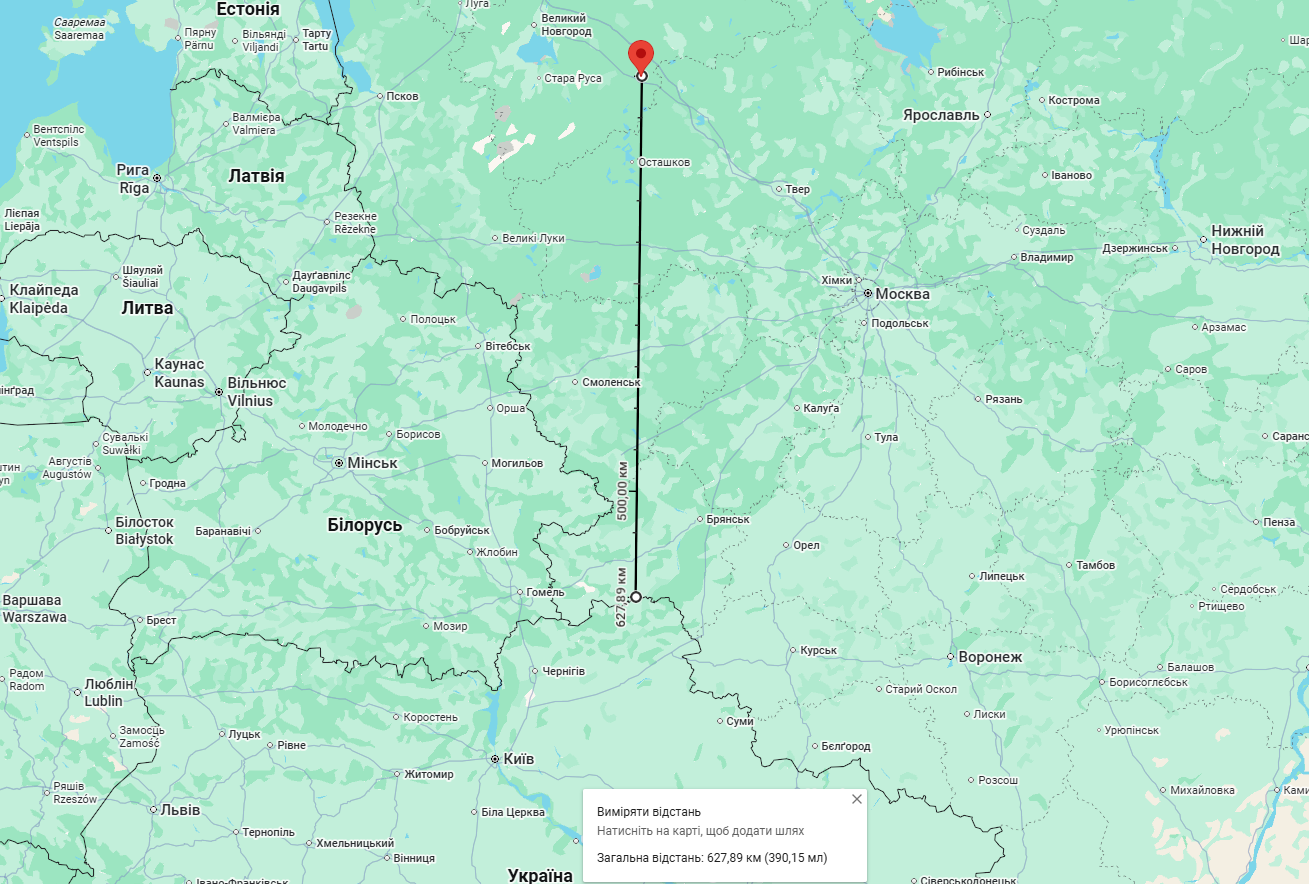
SOTA considers the described attack to be technically implausible. Ukrainian drones typically fly at low altitudes and along relatively direct routes. A launch from northern Ukraine would have required them to pass through heavily protected Russian airspace containing strategic missile force facilities, air defense systems, and restricted administrative zones in the Tver region.
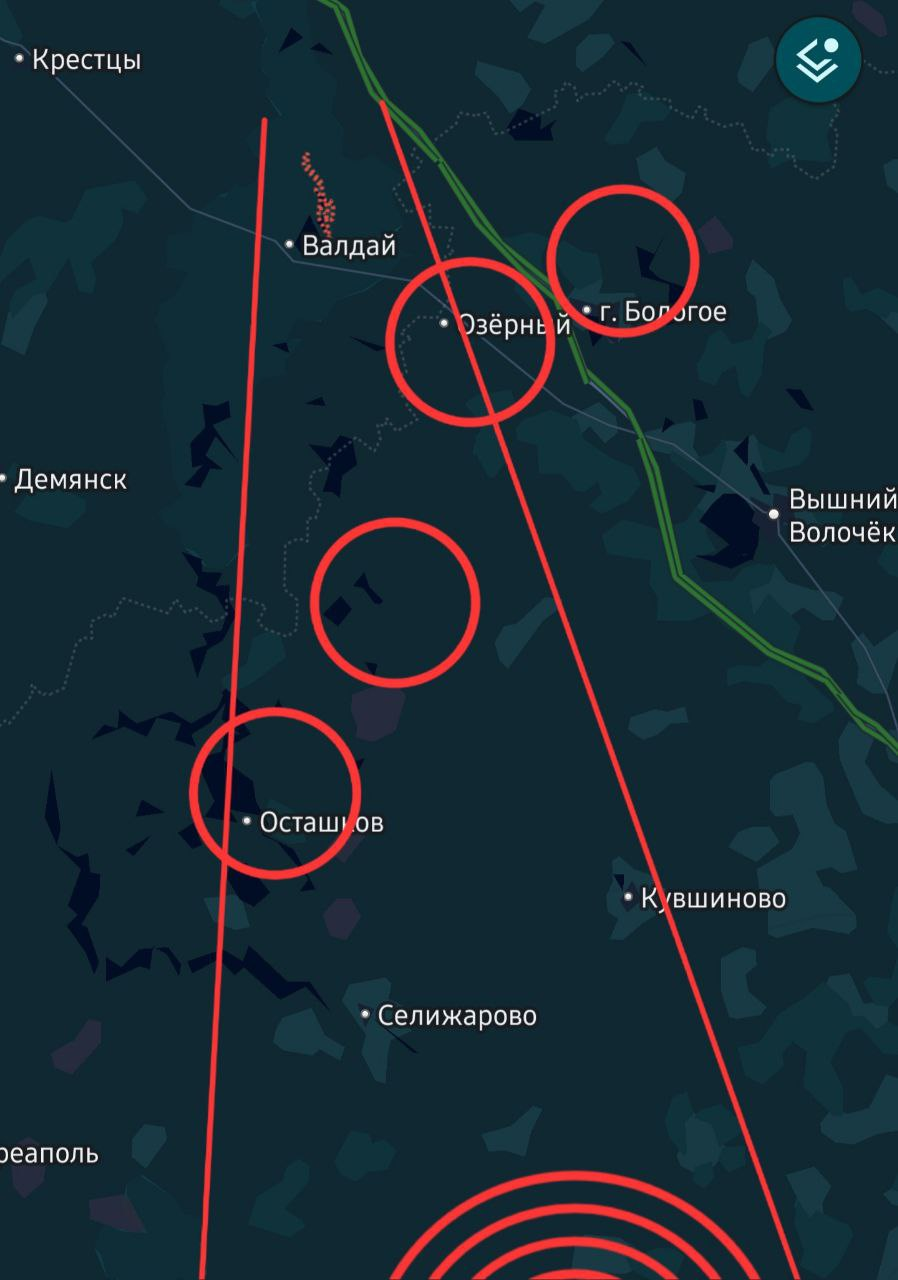
“A drone could have reached the Uzhin residence only by a miracle or with the deliberate acquiescence of the military command,” the publication concluded.
Despite this, Putin’s aide, Yury Ushakov, claimed that the alleged Ukrainian “attack” could affect the United States’ approach to working with Volodymyr Zelenskyy, as the American president had supposedly been “shocked” by reports of the overnight strikes.
Ukraine’s Ministry of Foreign Affairs described these claims as false and stressed that Russia was attempting to use them to justify new missile and drone attacks against Ukraine.
The Centre for Strategic Communications identified four major flaws in Russian propaganda’s story about the alleged “attack on Putin’s residence”.
The figures provided by Russia’s Ministry of Defense do not match Lavrov’s claims
According to the ministry’s official reports:
- From 23:00 on 28 December until 07:00 on 29 December, 18 UAVs were allegedly intercepted over the Novgorod region;
- From 07:00 until 09:00, another 23 drones were reportedly shot down.
That amounts to a total of 41 drones, not 91.
The figure of 41 drones also appeared unchanged in statements issued by the governor of the Novgorod region. Those statements contained no mention of 91 UAVs or of any alleged “strike on the residence”.
There Is No Mention of an “Attack on the Residence” in Russian Ministry of Defense Reports
The official reports of Russia’s defense ministry:
- Do not contain the figure of 91 drones;
- Do not describe any deliberate attack on the president’s residence.
Complete Silence on the Ground
The authorities of the Valdai district, where Putin’s residence is located, reported no extraordinary incidents. On the same day, district head Yury Stade conducted a routine public livestream on social media without mentioning any attack or security threat.
Lavrov’s claim that 91 drones allegedly targeted Putin’s residence is not corroborated by any other official Russian source – neither the Ministry of Defense, nor regional authorities, nor local government structures.
“They are now using claims about some supposed attack on one of their residences simply to prepare the ground for future strikes – likely against the capital and government buildings,” Ukrainian President Volodymyr Zelenskyy said in response to the Russian allegations.