Spilnota Detector Media
Detector Media collects and documents real-time chronicles of the Kremlin propaganda about the Russian invasion. Ukraine for decades has been suffering from Kremlin propaganda. Here we document all narratives, messages, and tactics, which Russia is using from February 17th, 2022. Reminder: the increasing of shelling and fighting by militants happened on the 17th of February 2022 on the territory of Ukraine. Russian propaganda blames Ukraine for these actions

On 24 June, on the 1581th day of the full-scale war, our editorial office recorded:

2742
Fake
826
Manipulation
776
Message
559
Disclosure
Русскій фейк, іді на***!

Russia spreads fake claim about Ukrainian soldiers being “rewarded” with online casino bonuses

In the pro-Russian segment of the internet, messages are being circulated claiming that Ukrainian servicemen were allegedly rewarded with bonuses from an online casino. The posts are accompanied by an image showing two men in camouflage holding certificates for so-called “free spins”. However, the authors provide no details about the military units or positions of the allegedly “awarded” soldiers, nor do they specify who supposedly presented these “rewards”. The claim is fabricated.

This was reported by StopFake.

Since April 2024, Ukraine has prohibited military personnel from accessing online casinos during martial law. The government has also introduced a number of restrictions related to gambling within the armed forces, including a ban on advertising that uses the symbols of the Armed Forces of Ukraine and a prohibition on pawnshops accepting dual-use items such as drones or thermal imaging devices. Therefore, the likelihood that military commanders would officially award online casino bonuses to servicemen is virtually zero.
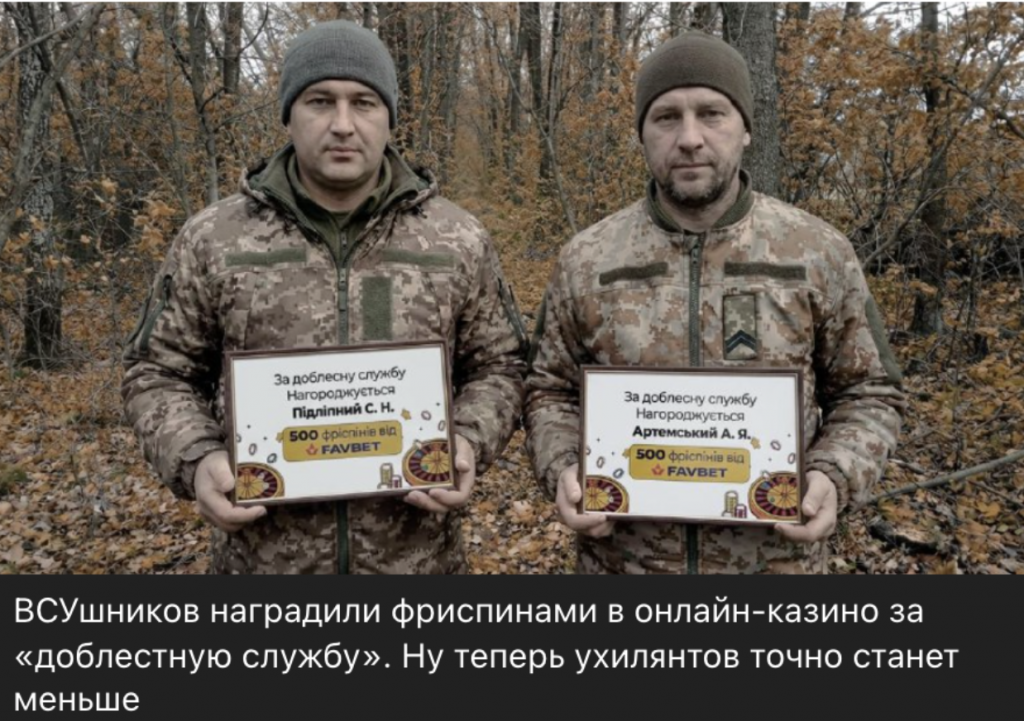
The photograph circulated alongside the fake story is itself highly questionable. The image displays typical signs of AI generation: the forest background appears unrealistic, with some branches and tree trunks seemingly “floating” in mid-air. The certificates held by the two men also look artificial – the lettering is overly uniform and flat, lacking the perspective distortions, shadows, and reflections normally found on real printed materials.

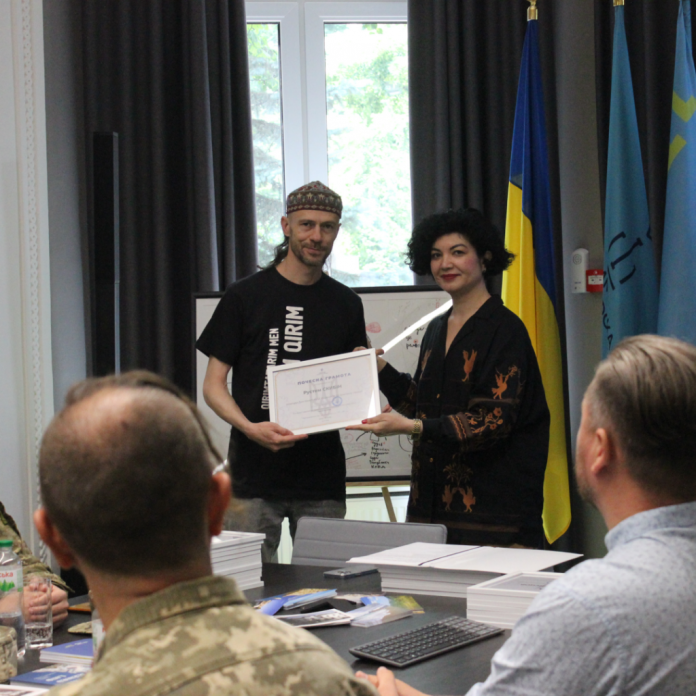
For comparison, authentic photographs from official events where certificates are presented to military personnel or artists always show natural distortions in the text, variations in the surface texture of the document, and realistic optical effects.
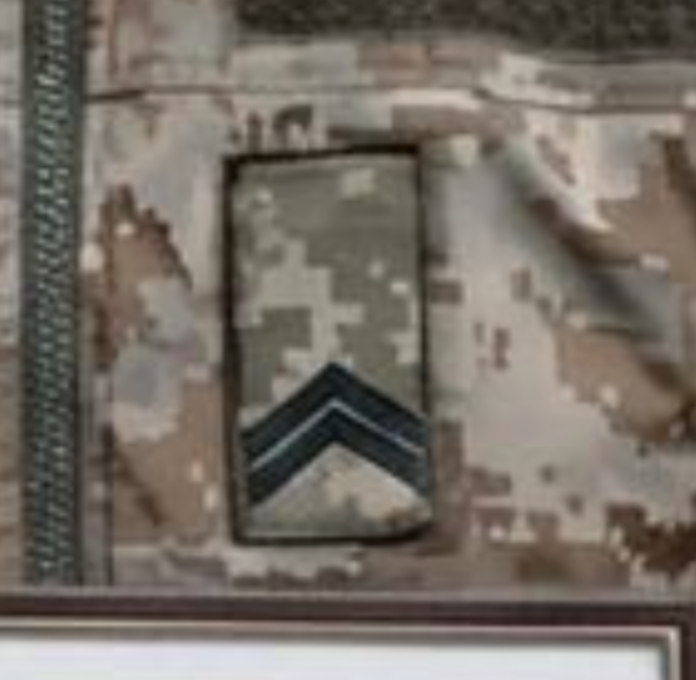
Other inconsistencies are also visible in the image. For example, part of the jacket worn by one of the men abruptly changes camouflage pattern and colour – a typical defect commonly produced by generative AI models.
The artificial nature of the image was noticed even by some users of pro-Russian channels. At the same time, AI-detection tools such as Decopy AI, WasItAI, and Reversely failed to identify the image as fake. As explained by Vadym Miskyi, detection technologies often lag behind the rapid development of generative models, especially when an image has been compressed, edited, or combines real elements with AI-generated additions.
AI
Author: Admin,

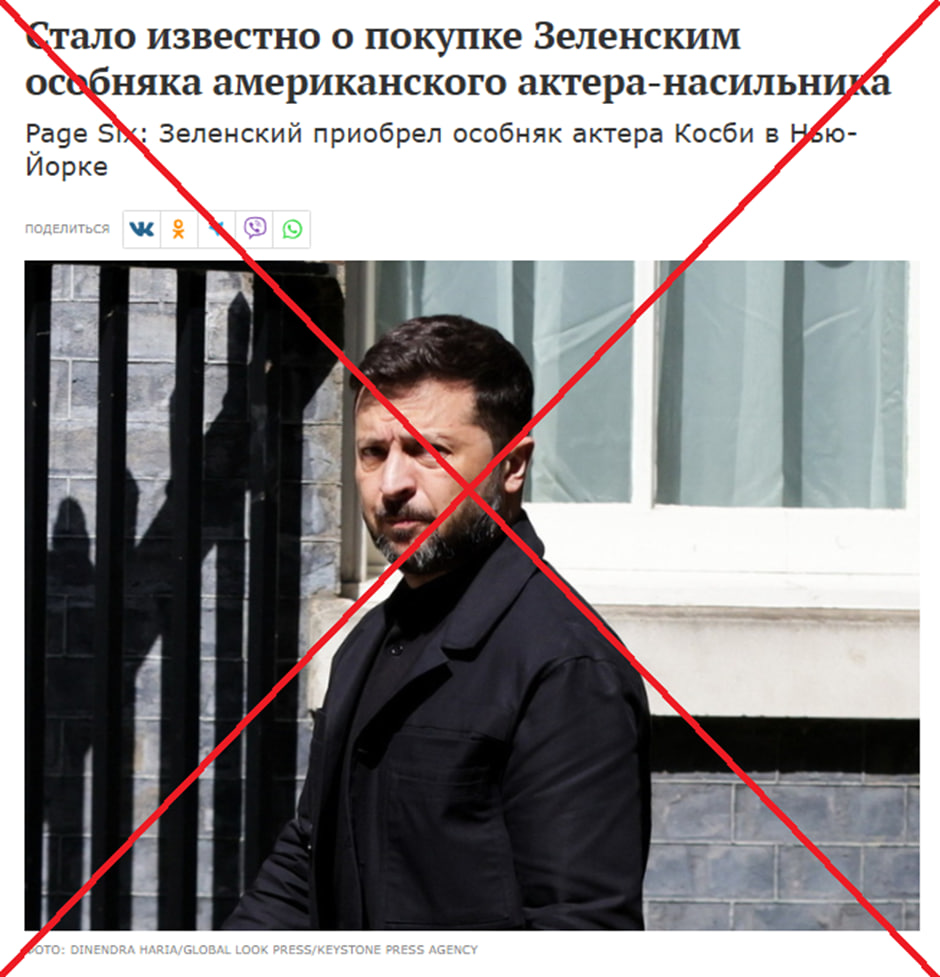
Propagandists spread a fake video about Zelenskyy allegedly “buying” a house in New York

Russian propaganda media outlets and numerous Telegram channels are circulating a video allegedly produced by Page Six, claiming that Ukrainian President Volodymyr Zelenskyy purchased a house in New York through an offshore company from disgraced comedian Bill Cosby. The alleged value of the property is said to be USD 29 million. This claim is false.

This was reported by Ukrinform.

No such video or news report exists on either the official website or the social media accounts of Page Six. The circulating video contains no supporting documents or any other evidence that could substantiate the alleged real-estate purchase.

The fabricated video mentions a company called Film Heritage Inc., which was supposedly used to carry out the transaction. In reality, this firm – allegedly registered in Basel, Switzerland – is an invention of Russian propagandists. Fact-checkers have previously debunked similar fakes involving the same “company”, including claims that Volodymyr Zelenskyy had purchased a hotel in Courchevel and the Vuni Palace casino.

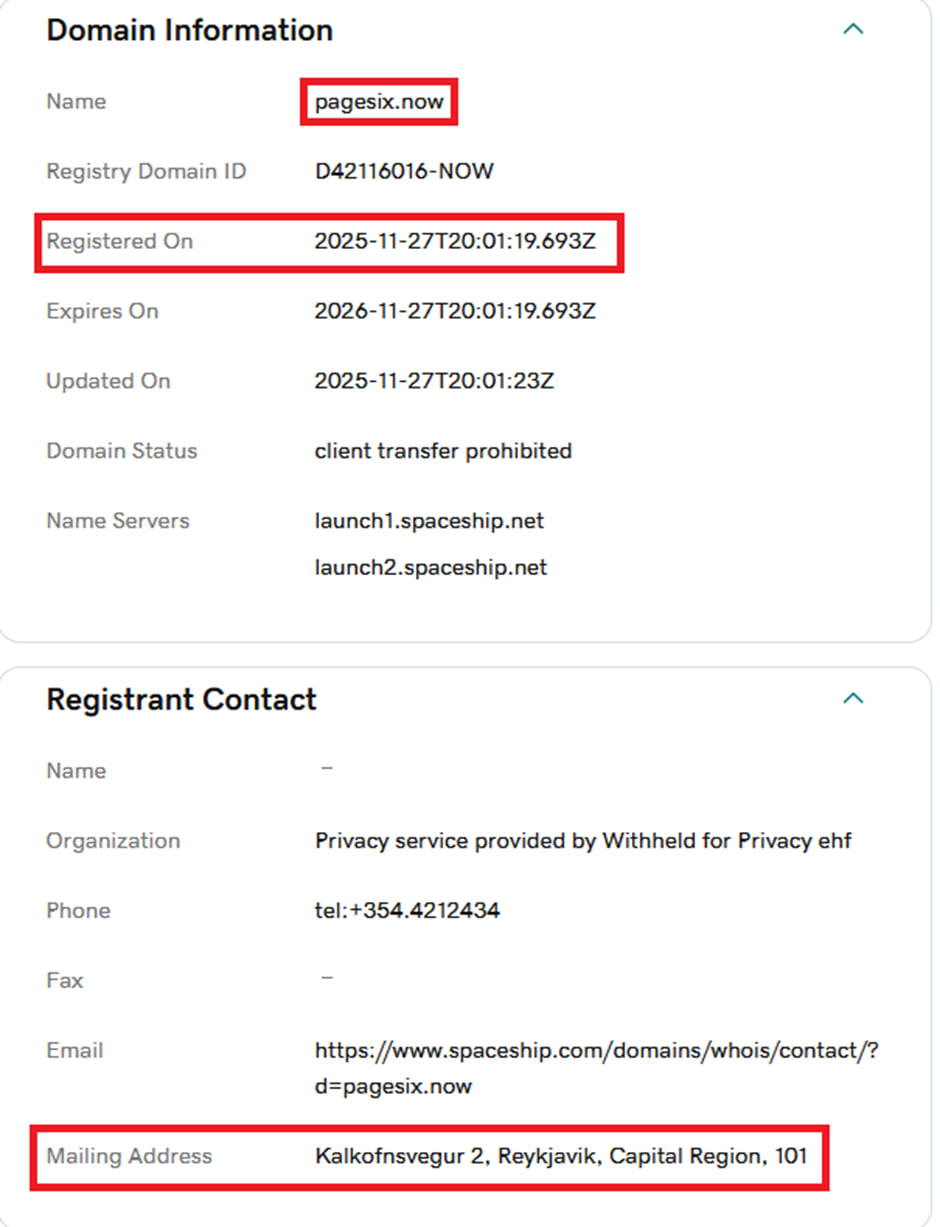
To promote the new fake, Russian actors created a clone website of Page Six on 27 November. The fake domain is pagesix.now, whereas the official address of the genuine publication is pagesix.com. The fraudulent website also has a different structure, contains no links to social media accounts, and lists a mailing address in Iceland.

The spread of this fake is aimed at discrediting the Ukrainian government and, in particular, President Volodymyr Zelenskyy in the eyes of the international community.

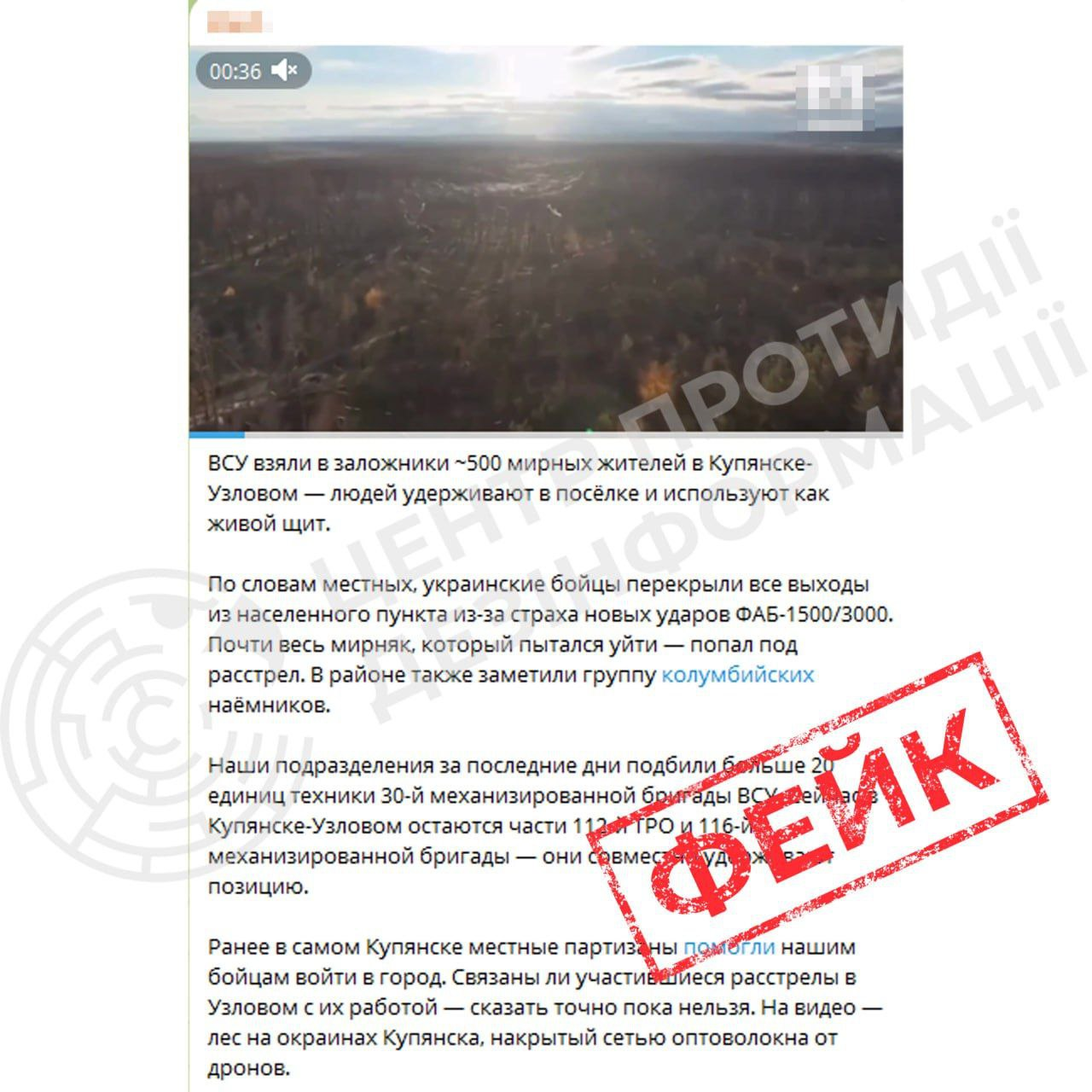
Russia fabricated a new fake about an alleged “hostage-taking” near Kupiansk

Russian propaganda resources are spreading false information alleging that 500 civilians in Kupiansk-Vuzlovyi, in the Kharkiv region, have been “taken hostage” and are being used as a “human shield”.

This was reported by the Center for Countering Disinformation.

As the Centre emphasizes, these claims by propagandists are untrue and constitute part of a coordinated information operation against Ukraine.

Source: Center for Countering Disinformation.  

According to official reports, local authorities, emergency services, law enforcement agencies, and volunteer organizations continue to carry out the organized evacuation of residents from the Kupiansk district. Any claims about “blocked escape routes” or the “shooting of people attempting to leave” are described as fabrications aimed at creating panic among the population and disrupting evacuation efforts.

The Center for Countering Disinformation emphasizes that Russia is once again resorting to disinformation in an attempt to undermine civilians’ trust in Ukraine’s Defense Forces and to hinder the work of services responsible for ensuring public safety and the evacuation of citizens.

Marianna Prysiazhniuk, Andrii Pylypenko, Kostiantyn Zadyraka, and Oleksiy Pivtorak are collaborating on this chronicle. Ksenia Ilyuk is the author of the project.